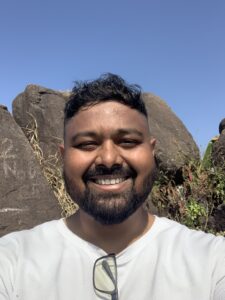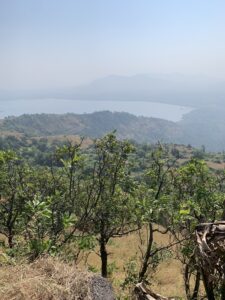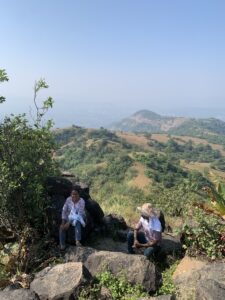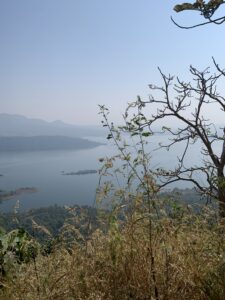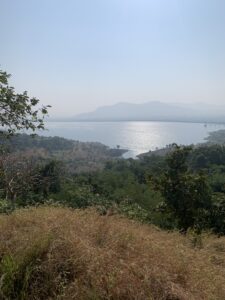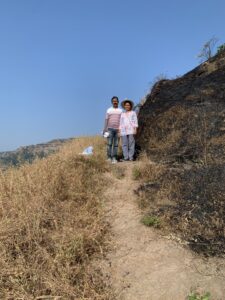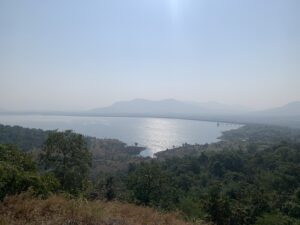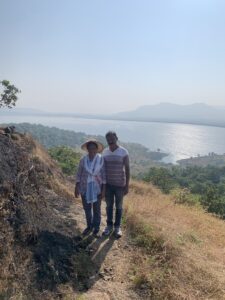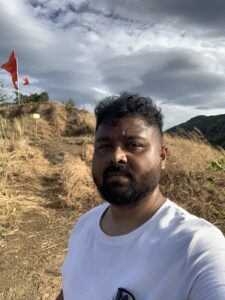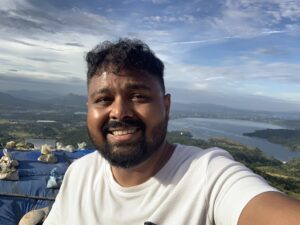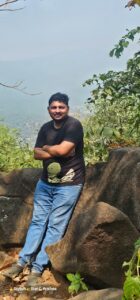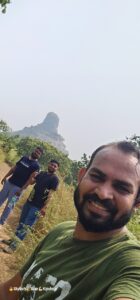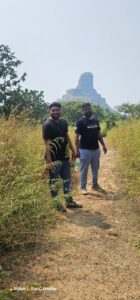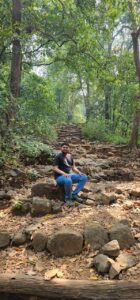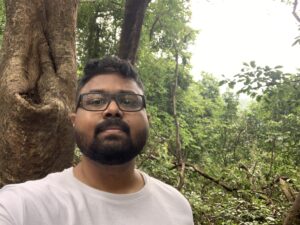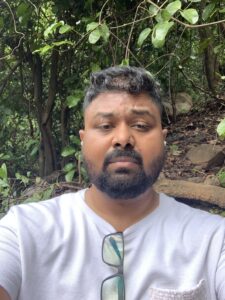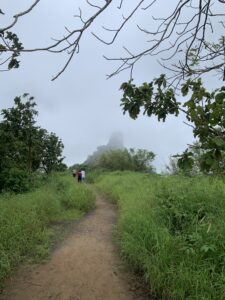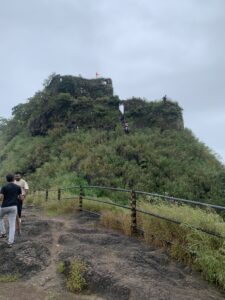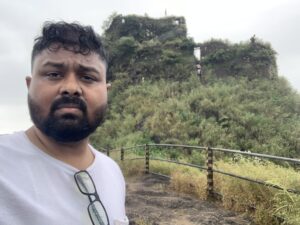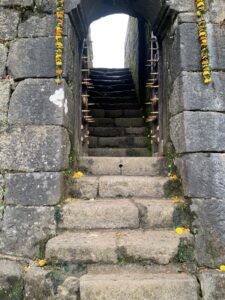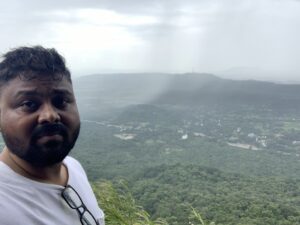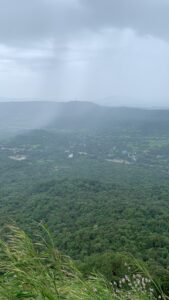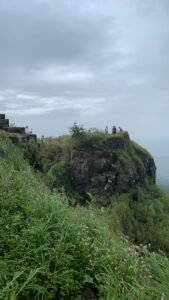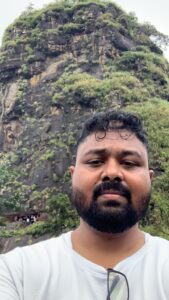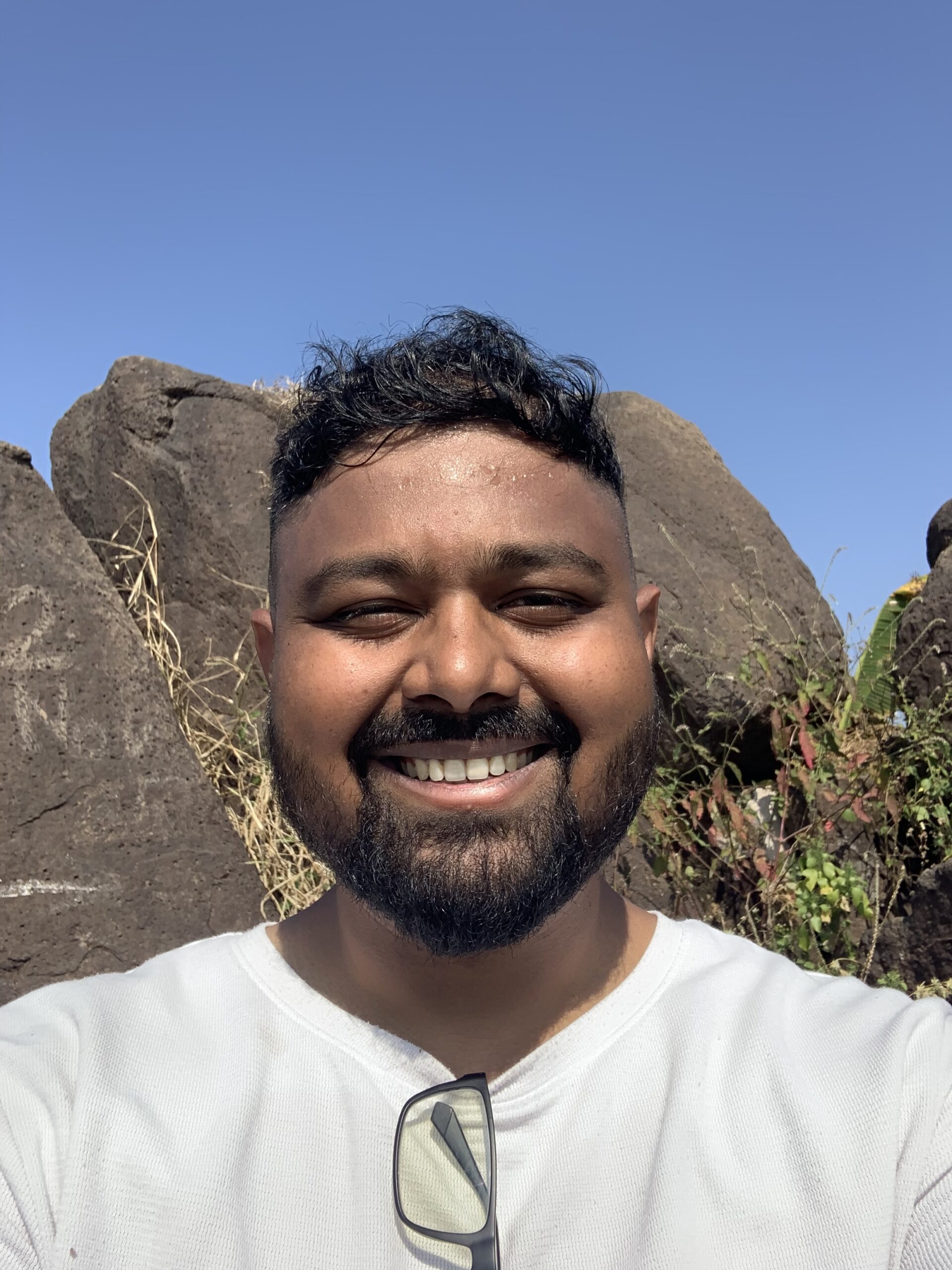
Karnala Again – with friends, with some Leadership

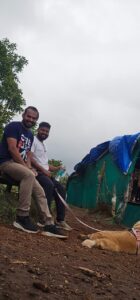
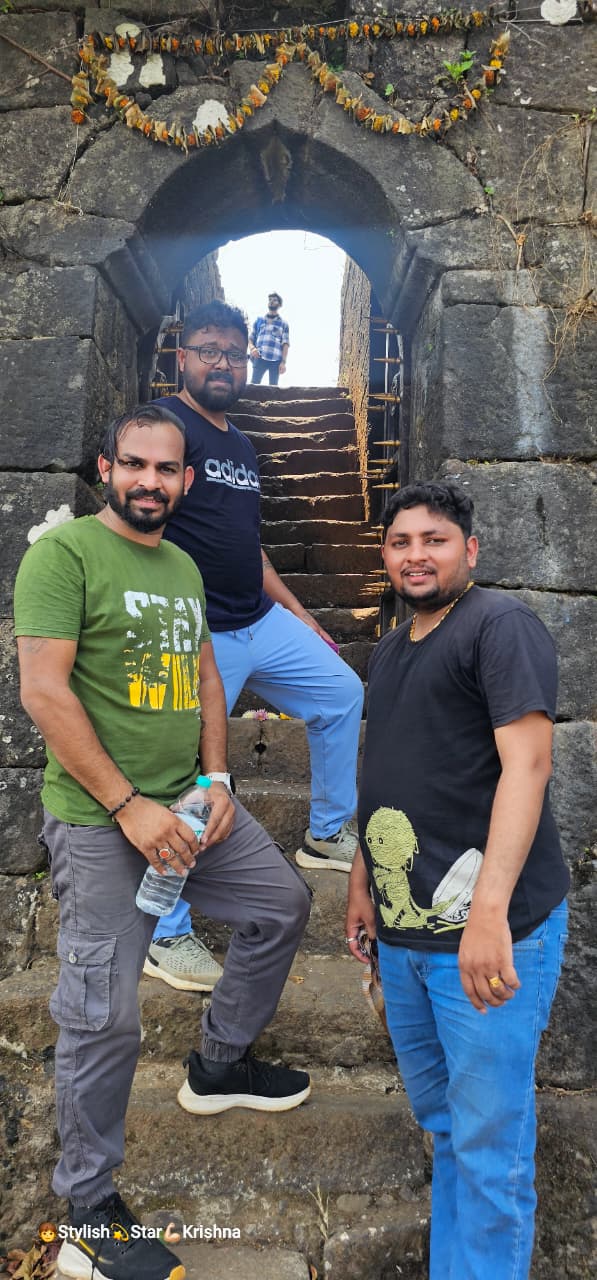
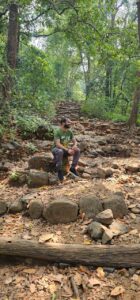
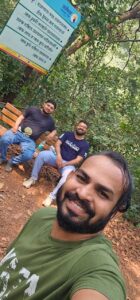
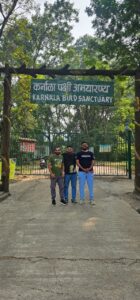
These are my colleagues—the ones who eventually became my close-knit friends.

When I shared photos from my Karnala trek, they all asked the same question, almost in unison:
“Why didn’t you tell us?”

The honest answer was: Because I wasn’t even sure about myself.

The obvious reply, of course, was:
“We’ll do it again.”

And that meant planning.

Amol had just bought a new car—a Tata Nexon—and we wanted an excuse to take it out.

What made this trek different for me was it was not solo climb.

When you trek alone and fail, you’re still alone.
You don’t have to explain anything to anyone.

Solo trekking means you’re just with yourself. There’s no performance. Your thoughts are clear. You accept your limitations. You stop to breathe, rest, walk again. Walk slowly. There’s no competition. Nobody is walking faster than you—and even if someone is, you don’t give a Fuck.

You’re alone on the trail.

Having people along changes the meaning of the trek.

Now you have to talk.
You feel the need to lead.
You think you need to say something philosophical.

At least, that’s what I thought.

We did some of that—but the shared climb turned out to be unique for all of us.

For me, the third trek was no longer luck.
It felt like identity formation.

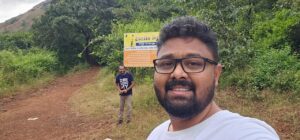
Being with two friends meant something unexpected:
At some level, I was the reason they were walking that trail.

Something shifted inside me.

Earlier, I wasn’t worried about walking at my own pace. But together, I became aware of how slow I was. I felt the urge to push harder. My legs were sore. I needed to stop, breathe, slow down—but at the same time, I wanted to show that I could climb faster.

At least Karnala—I had climbed it once before.

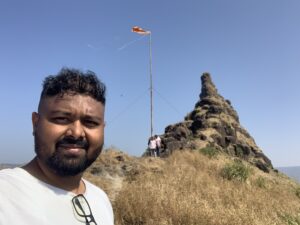
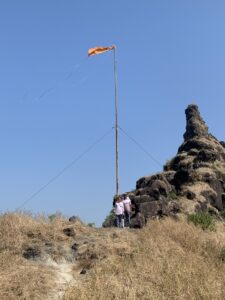
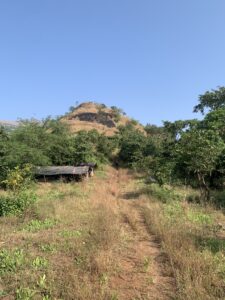
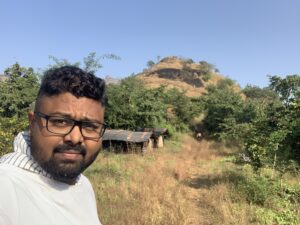
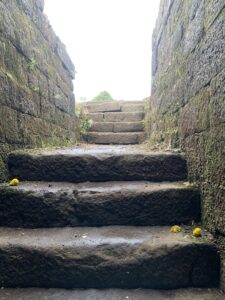
We made it.

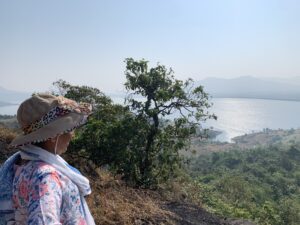
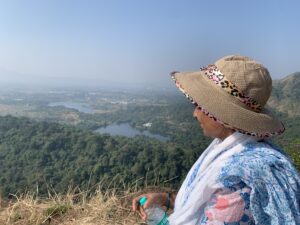
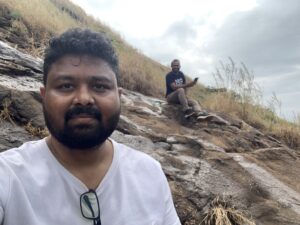
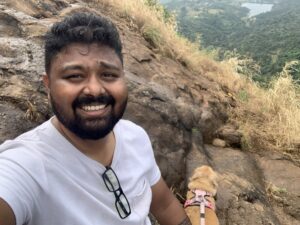
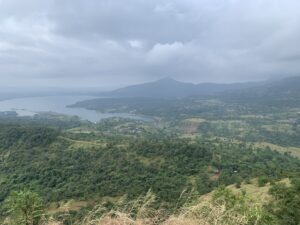
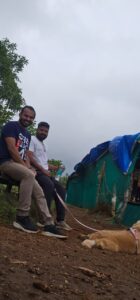
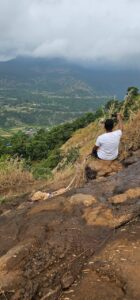
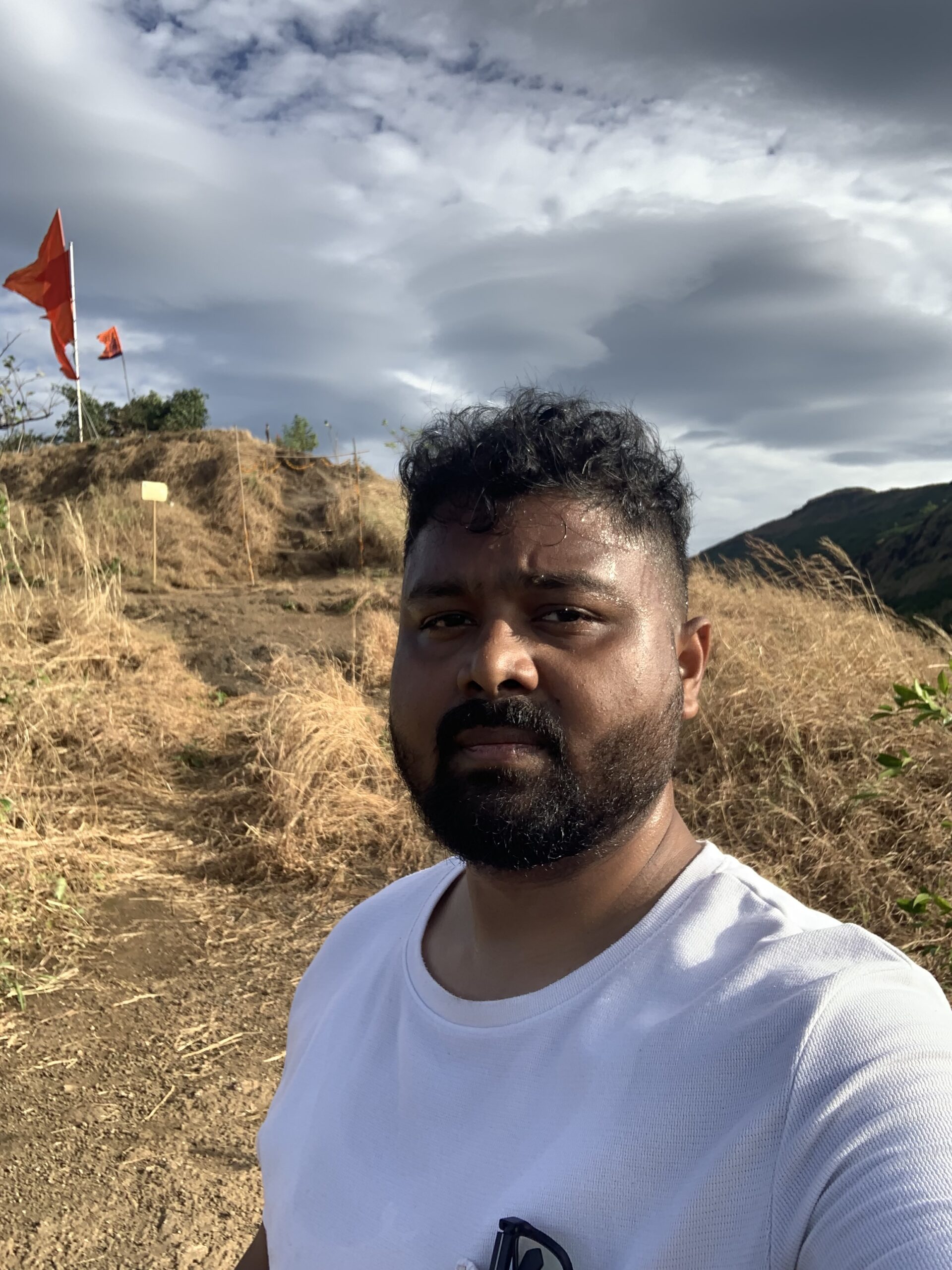
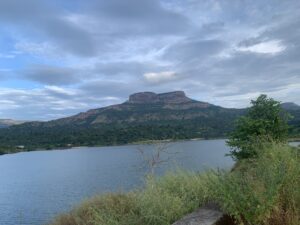
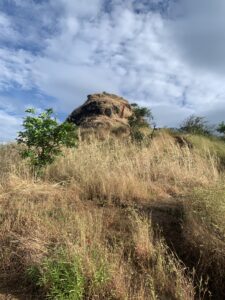
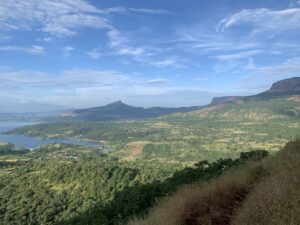
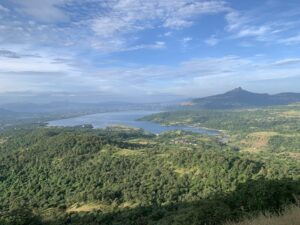
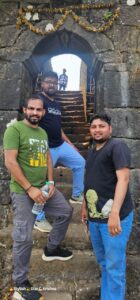
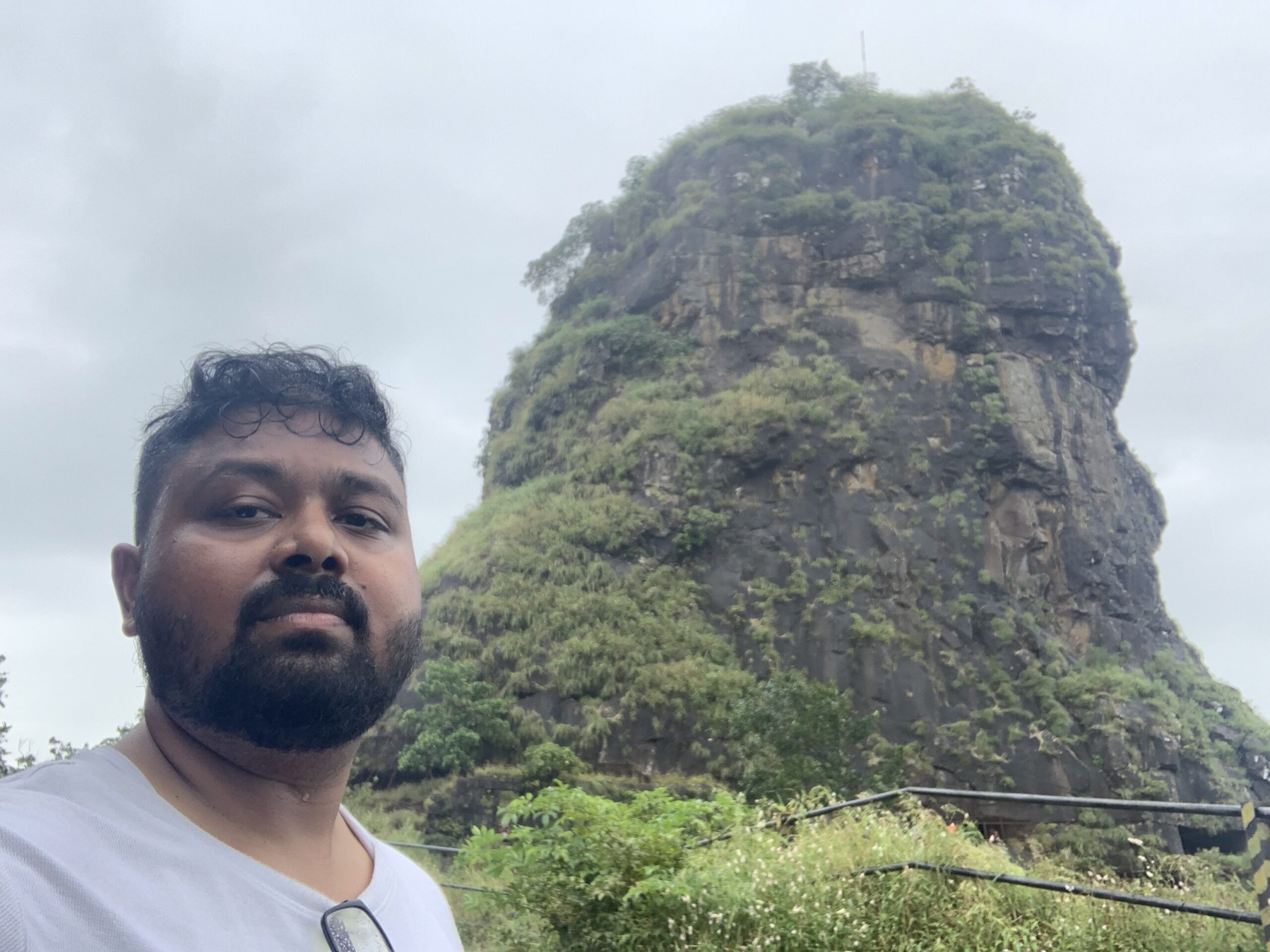
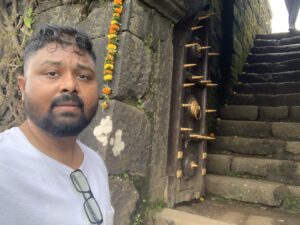
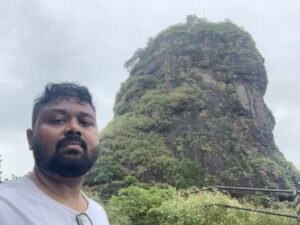
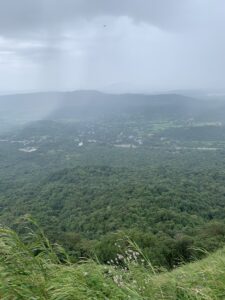
We clicked photos again.

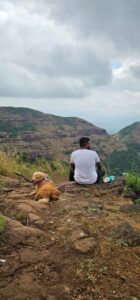
This time, we sat quietly in a corner of the fort and talked—for no particular reason.

I felt different.

We descended.
We were hungry.

And we ended the day with chulivarcha chicken and bhakri.

Karanjade Hills – Still Not Serious Trek

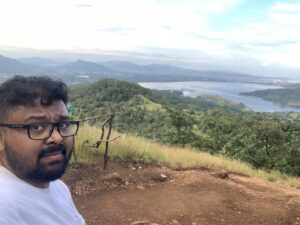
On 5th October, 2025, I got my first real taste of trekking.

I posted a few photos afterward, and the response surprised me. What I realised almost immediately was this:
working silently, alone, in the darkness of loneliness doesn’t work for me.

Everyone loves validation. There’s no virtue in pretending otherwise.

The pictures from my first Karnala trek received an unexpectedly good response. For the first time in many years, I felt validated—not just for trekking, but for any effort I had made over a long period of time.

Yes, I enjoyed the attention.
But at the same time, I wasn’t fully convinced.

In fact, I was subconsciously waiting for this attempt to fail.

That’s what had always happened before.

Most of my past impulses had eventually died out, leaving behind a trail of failed experiments and wasted money. Almost every attempt involved spending—courses, equipment, memberships. When motivation faded, the money was already gone.

Trekking was different.

No money was involved. And yet, I was certain this too would die down. Soon.

The Lofty Decision

Still, I made a decision.

I decided to do one trek every week.

It was the same kind of exaggerated commitment we all make when we join a gym on 1st January—“I’ll go every day for the rest of my life.”
I did the same thing in my head.

“One trek each week.”

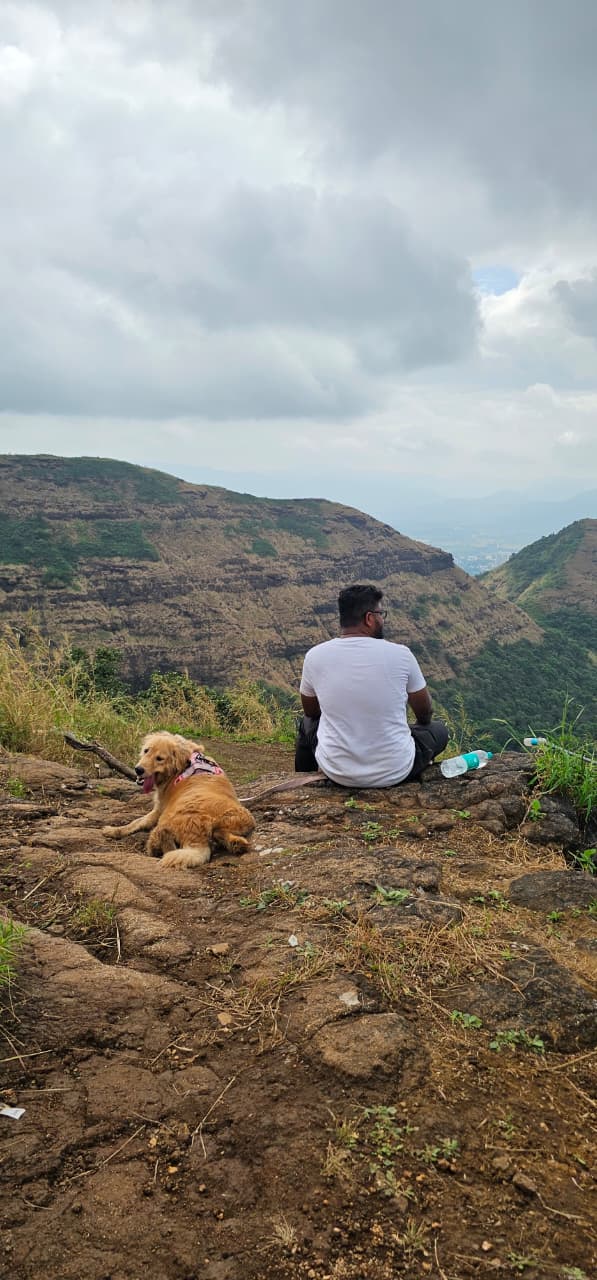
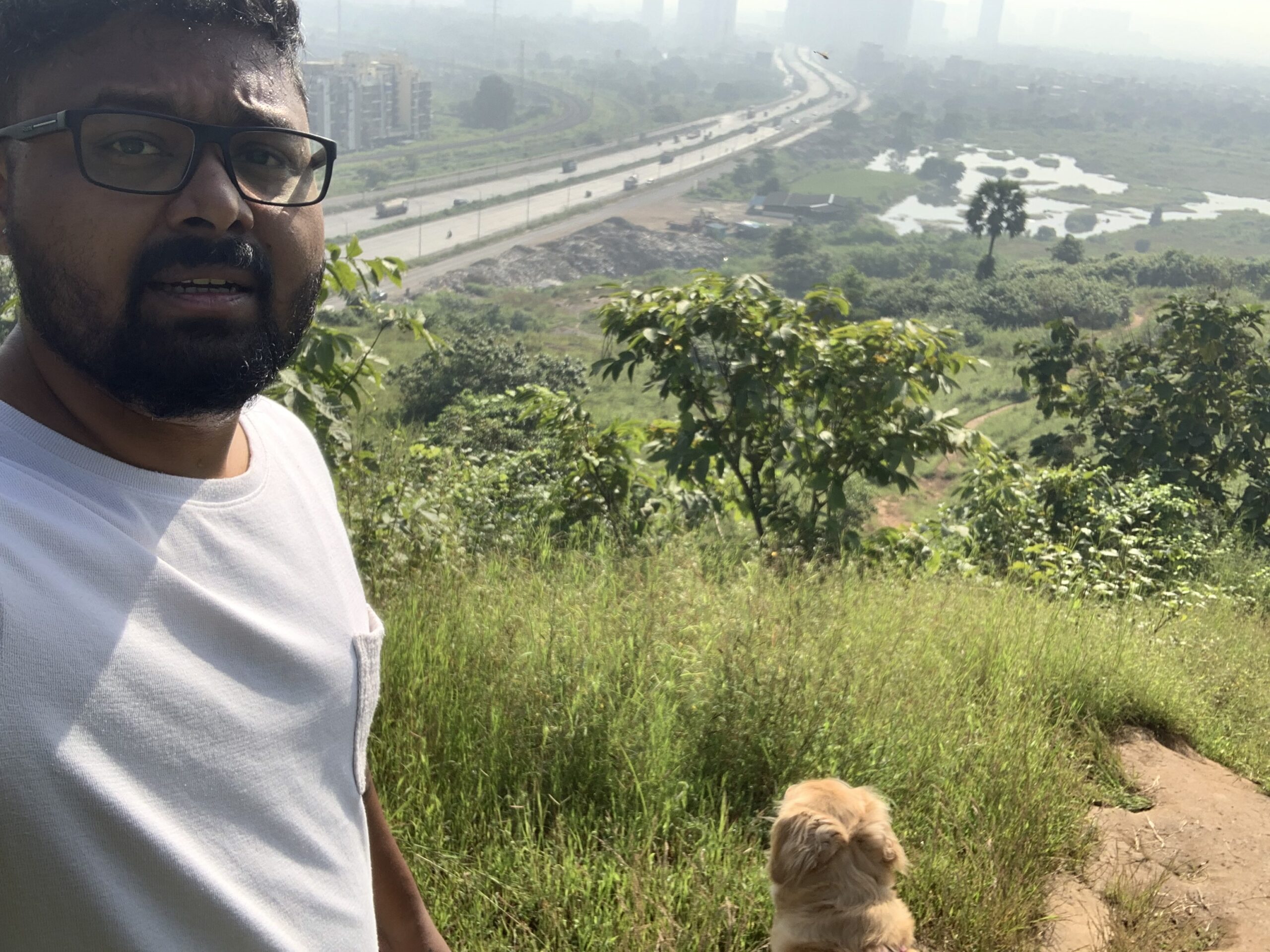
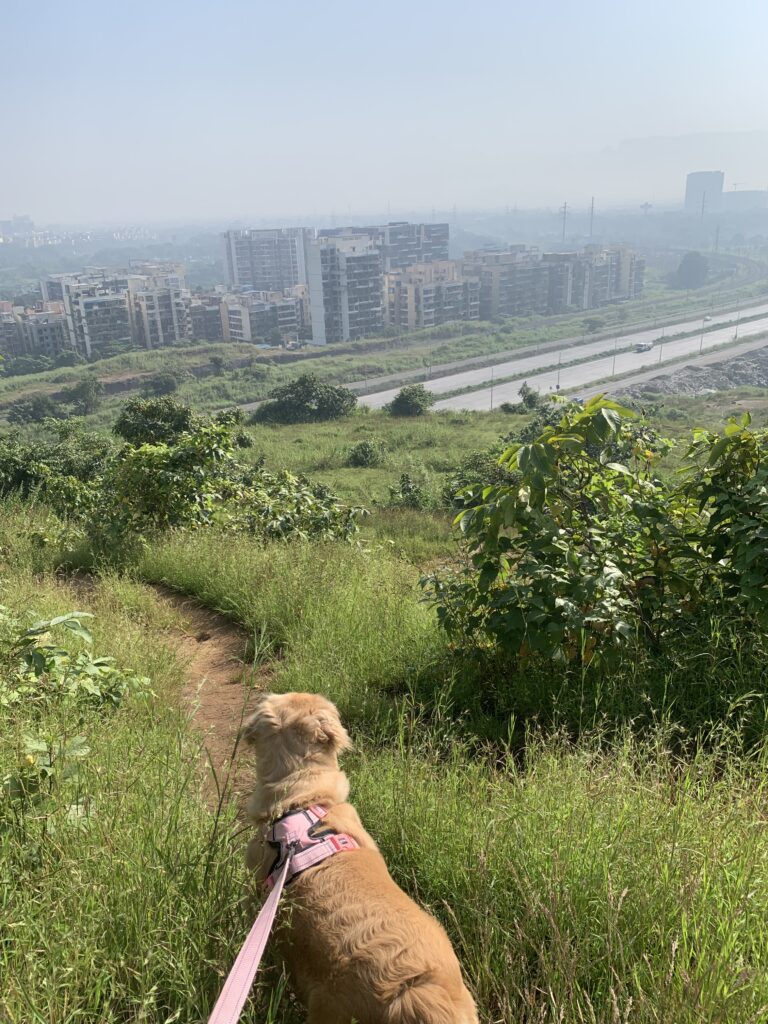
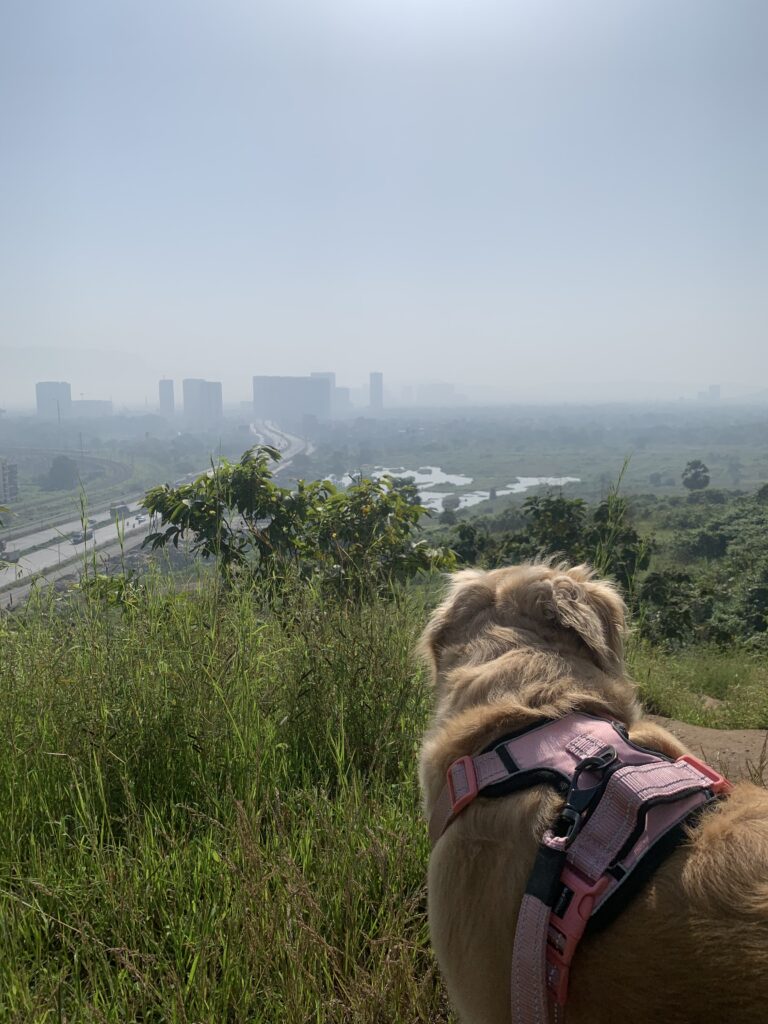
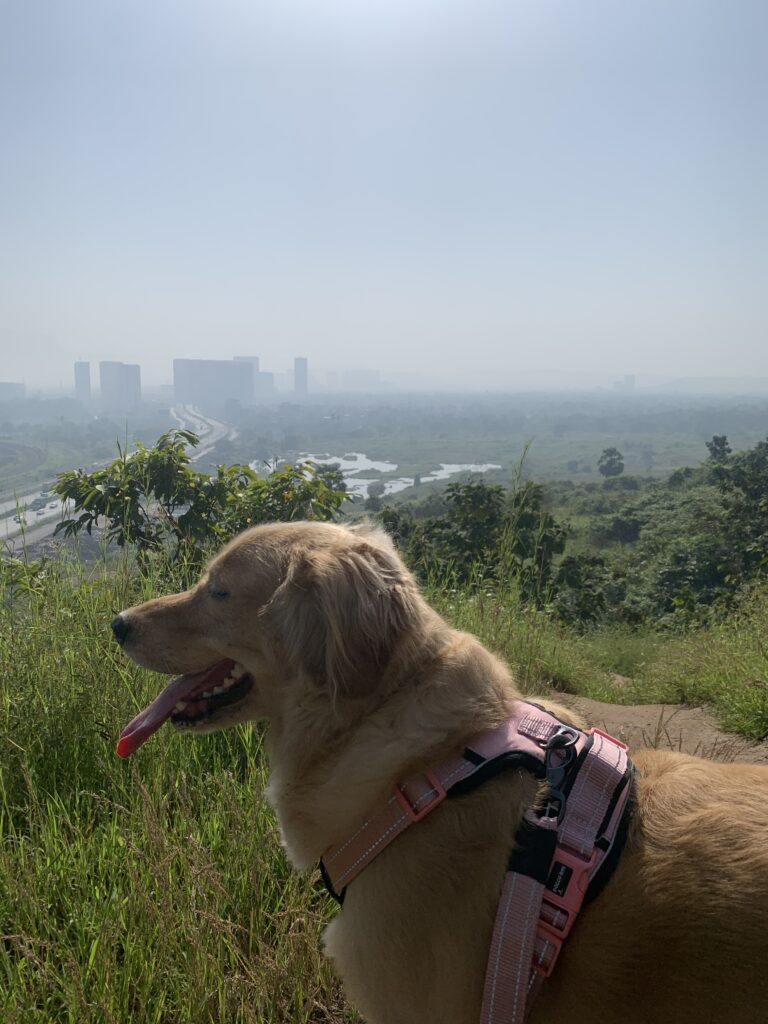
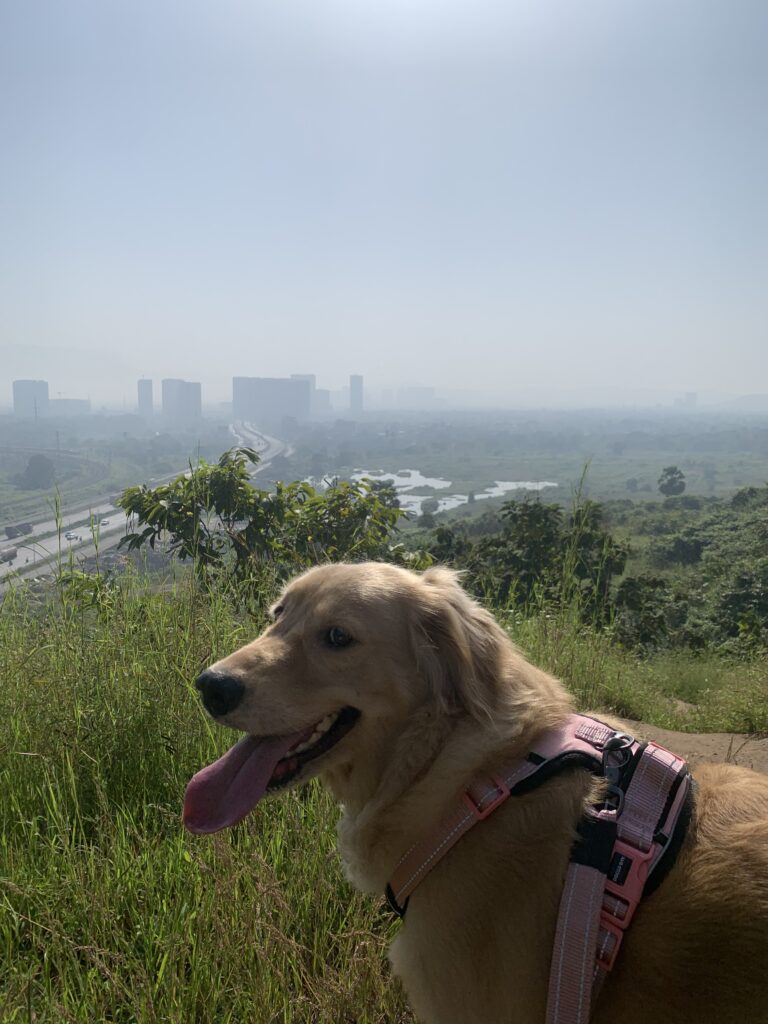
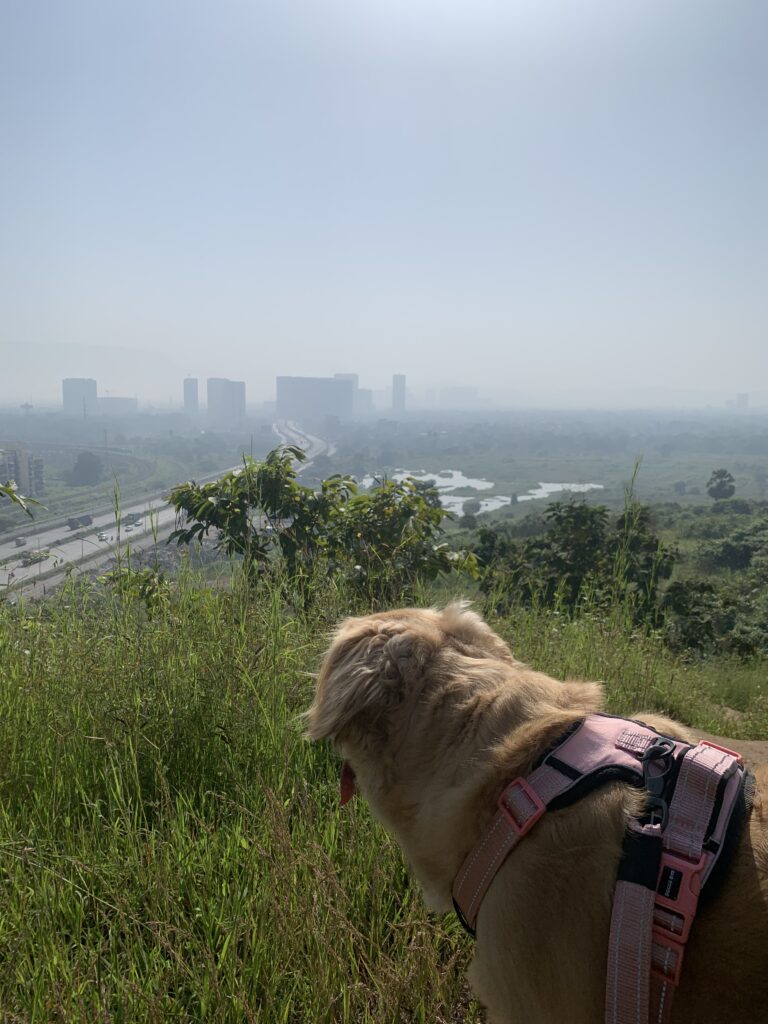
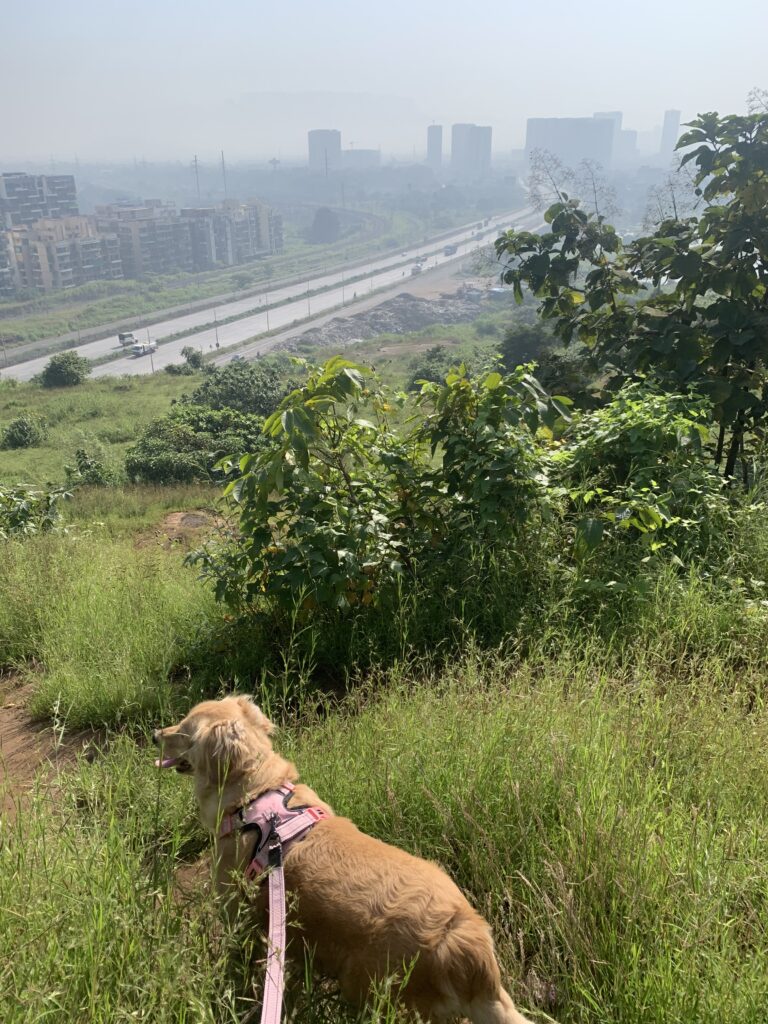
The very next weekend—12th October—I took my Golden Retriever, Amu, and went to Karanjade hill. It wasn’t even a proper trek. Just a hill climb, a few pauses, and some photos.

That’s it.

But I repeated the same behaviour.

I clicked photos.
I shared them on my WhatsApp status.

Once could be a fluke.

Twice was… something.

The response was similar again. Likes. Messages. Quiet encouragement. A few people saying they felt inspired.

And that’s when the shift happened.

Slowly, it stopped being about health.

It became about social validation.

Not in a shallow way—but in a very human way.

I wasn’t fighting my nature anymore.
I was working with it.

Karnala Sanctuary: My First Trek

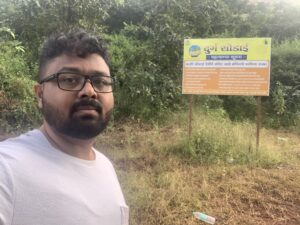
On Sunday, 5th October, I decided to do this trek alone.

At that point, I was still struggling with health issues and trying to discover a sustainable path to behavioural change. That date is firmly etched into my life—not because of the trek itself, but because it was the day I validated an idea.

This entire exercise began after my second hospitalisation. I was actively looking for a way to fix my health.

Gym workouts were not working.
I had been in and out of gyms for years. I tried running. I tried morning walks. Nothing stuck. I was exhausted—physically and mentally.

Eventually, I did something different.
I asked ChatGPT a simple question:

What are the things I can actually do, given my constraints?

The Constraints

I was very clear about the boundaries:

  1. The skill level had to be extremely rudimentary
  2. No equipment and minimal expenses
  3. The activity had to be simple
  4. Feedback had to be quick—no long waiting periods like gym transformations
  5. The activity had to be shareable with colleagues and relatives
  6. There should be no enforcement of superiority

That last point mattered more than it seems.

When you go to the gym and post photos or videos, you are implicitly saying you are doing something “extraordinary.” The typical response is discouraging comments like:
“Teri body to dikh nahi rahi.”

I wanted to avoid that entire dynamic.

In short, I was looking for something that was not the gym.

Why Trekking

ChatGPT gave me a list of possible activities. I chose trekking because it checked every box.

Skill Level
Trekking is essentially walking uphill. Yes, it’s hard—but the required skill level is basic. Walking is one of the most fundamental human abilities. If someone can’t walk due to a medical condition, they need treatment first. For everyone else, the barrier to entry is minimal.

Equipment & Expenses
No equipment is required to start. Shoes and clothes are enough. Fancy gear can come later. What you already have is sufficient in the beginning.
Fast Feedback
Most treks are one-day treks. That means immediate feedback. Within a single day, you know whether you like it or not. No waiting months to “see results.”
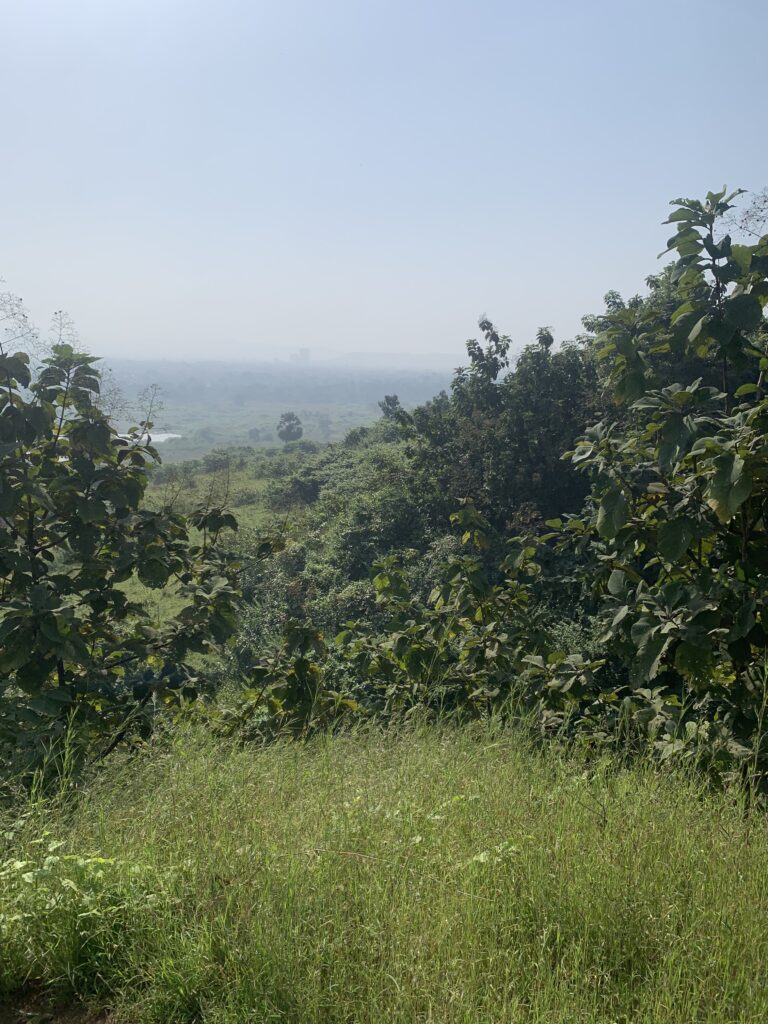
Shareability
This was the biggest surprise.
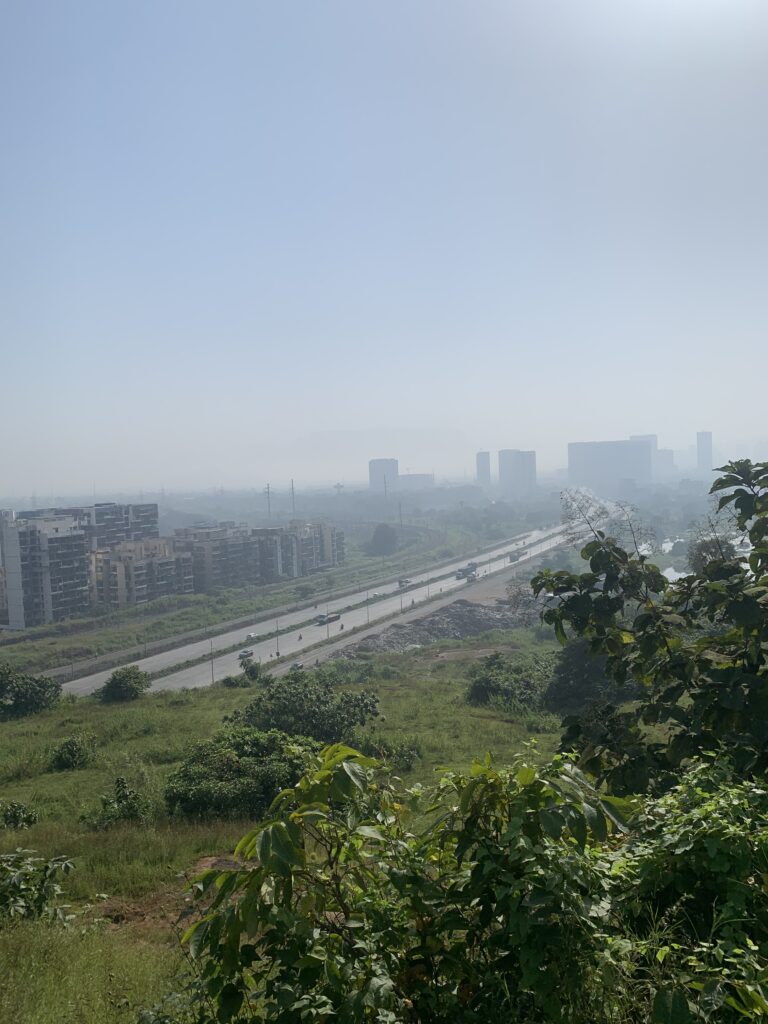
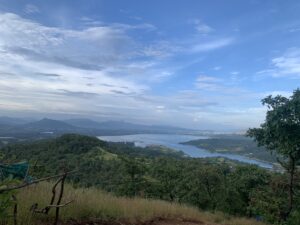
Trekking produces photos—beautiful, natural, unforced photos. When you post them on WhatsApp status, you’re not saying, “Look, I’m getting healthier.”
You’re simply saying, “Hey, I did this.”

Health becomes a side effect, not the headline.

The Unexpected Outcome

After that trek, I posted a few photos. The response was immediate.

One of my customers reached out. He said he had also gone on a trek once. That simple interaction turned into an ongoing professional connection. We are still connected today.

That’s when it clicked.

This wasn’t just about health.
This was about behaviour, feedback loops, identity, and connection.

That Sunday wasn’t just a trek.

That’s how it started.